

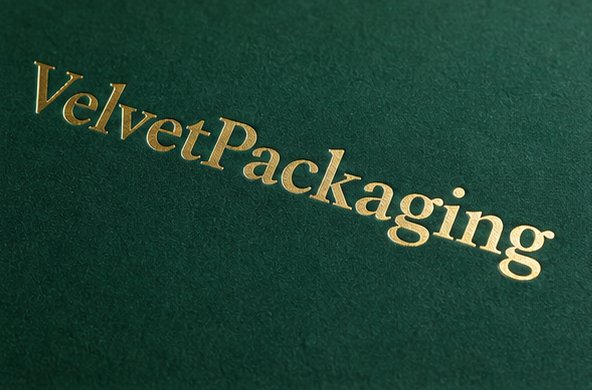
Custom jewelry boxes with logo are made by adding your brand mark to a box in one of six ways — hot foil stamping, debossing, a metal logo plate, metal etching, metal engraving or the newer TPU process — each with a different look, material fit and cost. But the method is only half the job: where you place the mark and how you spec the finish decide whether the box reads on-brand or generic. This guide covers all three — the six methods, where to put the logo, and how to brief a supplier so the result matches what is in your head.
Already choosing a box shape? Start with our guide to custom jewelry packaging types, then pick a logo method below.
The 6 ways to put a logo on a jewelry box
Every logo finish is a trade-off between look, the material it sits on, and cost. Here are the six that cover almost every custom jewelry box with logo.
1. Hot foil stamping
The classic and most common method. A heated die presses metallic foil — gold, silver, rose gold or a colour — onto the surface for a crisp, full metallic sheen. It is the most versatile of the six, taking well on microfiber suede, PU leather, velvet and paper or card, and it is the best value. Our gold-foil-bordered flip-top box is a typical example. Keep foil lines at 0.4 mm or thicker and total coverage under about 60% for clean stamping.
- Look: bright, full metallic shine. Best on: suede, PU, velvet, paper/card. Cost: lowest — high value.
2. Debossing
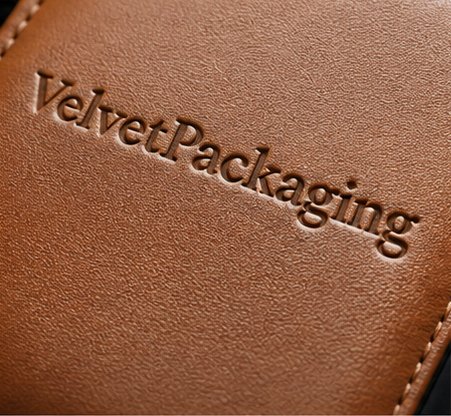
An inkless, recessed impression. A die presses your logo down into the surface so the mark sits below the plane — no foil, no colour, just a tactile sunken shape. The look is understated and very durable, because there is nothing on the surface to rub off. (Embossing is the raised variant.) It suits leather and PU, leatherette, and kraft or card.
- Look: subtle, recessed, no ink. Best on: leather, PU, leatherette, kraft/card. Cost: low to mid — only a die.
3. Metal logo plate
A separate cast or etched badge fixed to the lid or front. It reads hard-edged and refined, adds real dimension, and holds strong, so it will not peel in normal use. Because it is a separate component, it costs more than foil or debossing. Best on rigid boxes, leather and velvet with a flat, firm mount — like our octagonal microfiber suede box set.
- Look: hard, 3D, jewelry-grade. Best on: rigid boxes, leather, velvet. Cost: mid to high — a separate part.
4. Metal etching
Acid cuts the logo into a metal plate or part, leaving a deep, clearly defined texture that will not rub away — which is why it reads high-end. Use it where a metal accent is already part of the box, such as a plate, clasp or frame.
- Look: deep, sharp, durable. Best on: metal plates and accents. Cost: high — a premium finish.
5. Metal engraving
The logo is carved into metal — mechanically or by laser — at the finest level of detail. It is the most precise of the six, ideal for intricate marks and a top-tier finish. For an engraved brand mark as a core feature, an engravable custom box is the right base.
- Look: finest, most precise mark. Best on: metal plates and parts. Cost: high — top-tier detail.
6. TPU process (new)
A newer technique that builds a strong three-dimensional logo in soft TPU. It conforms to the surface, is waterproof and scratch-resistant, and can be made in any colour. It works especially well on PU leather and is a strong choice for display props and gift packaging — colour plus dimension without a metal part.
- Look: strong 3D feel, any colour. Best on: PU leather; display props. Cost: mid — colour freedom, waterproof.
Quick comparison of logo methods
| Method | Look | Best materials | Durability | Relative cost |
|---|---|---|---|---|
| Hot foil stamping | Bright metallic | Suede, PU, velvet, paper | Good | $ |
| Debossing | Recessed, inkless | Leather, PU, kraft | Very high | $ |
| Metal logo plate | Hard, 3D badge | Rigid, leather, velvet | High | $$$ |
| Metal etching | Deep texture | Metal accents | Very high | $$$ |
| Metal engraving | Finest detail | Metal accents | Very high | $$$ |
| TPU process | 3D, any colour | PU leather, props | High (waterproof) | $$ |
Match the box style and material to the piece
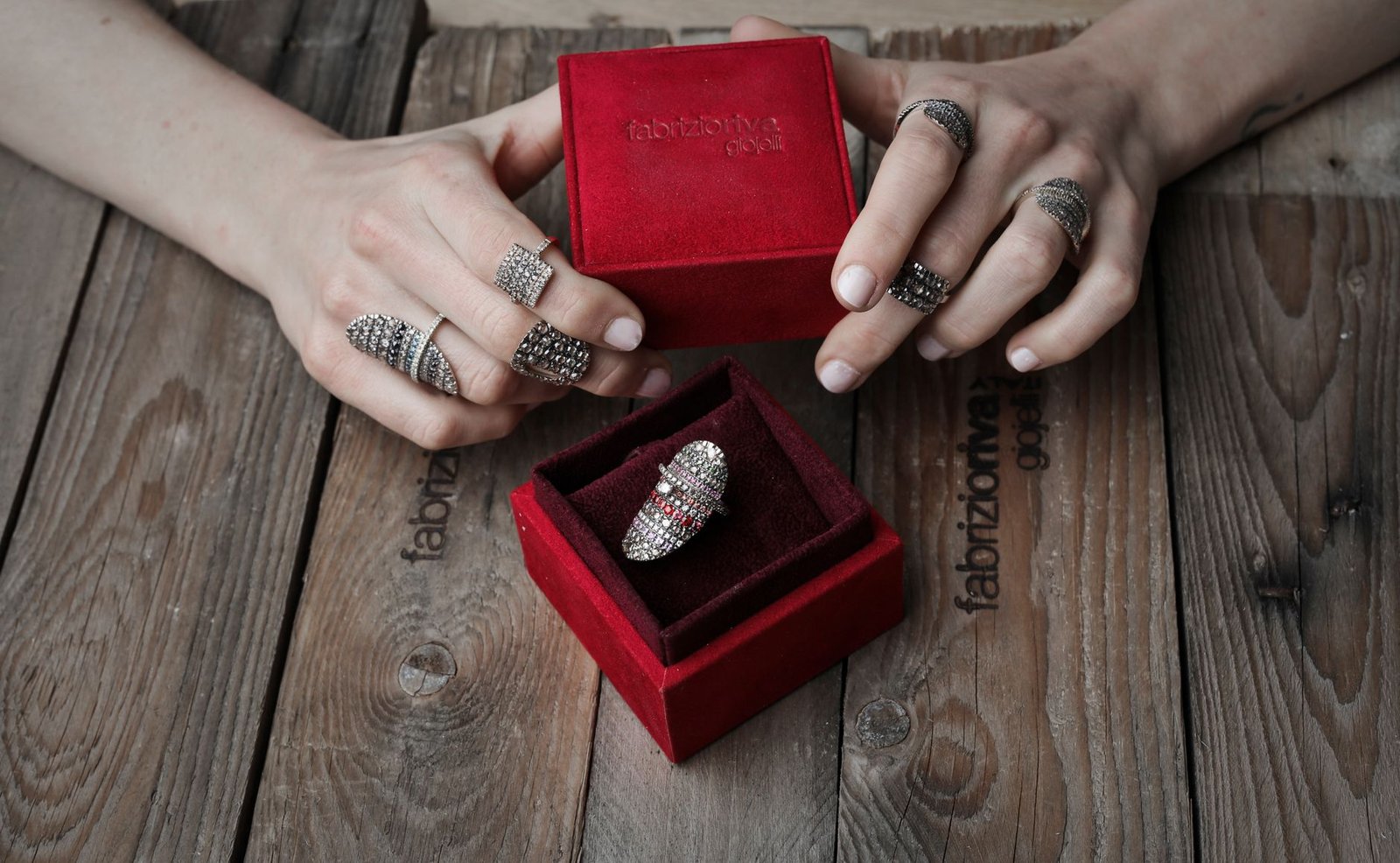
The logo method rides on the box, so pick the format and material first. Match the box to how the piece is handed over:
- Drawer / slide boxes — a clean lid face that is an ideal canvas for a centred logo; good for necklaces and bracelets.
- Magnetic-lid rigid boxes — a seamless premium open; best for sets, watches and higher price points.
- Flip-top and book-style — the lid is the brand surface; foil or a plate reads well here.
On material, the short version: paper and card and kraft are the value all-rounders and take foil or debossing cleanly; velvet and microfiber suede give a soft luxury feel and take foil or a plate; leather and PU suit debossing and TPU. Browse the full range of custom jewelry boxes to see formats and materials together.
Where to put the logo (this is what looks expensive)
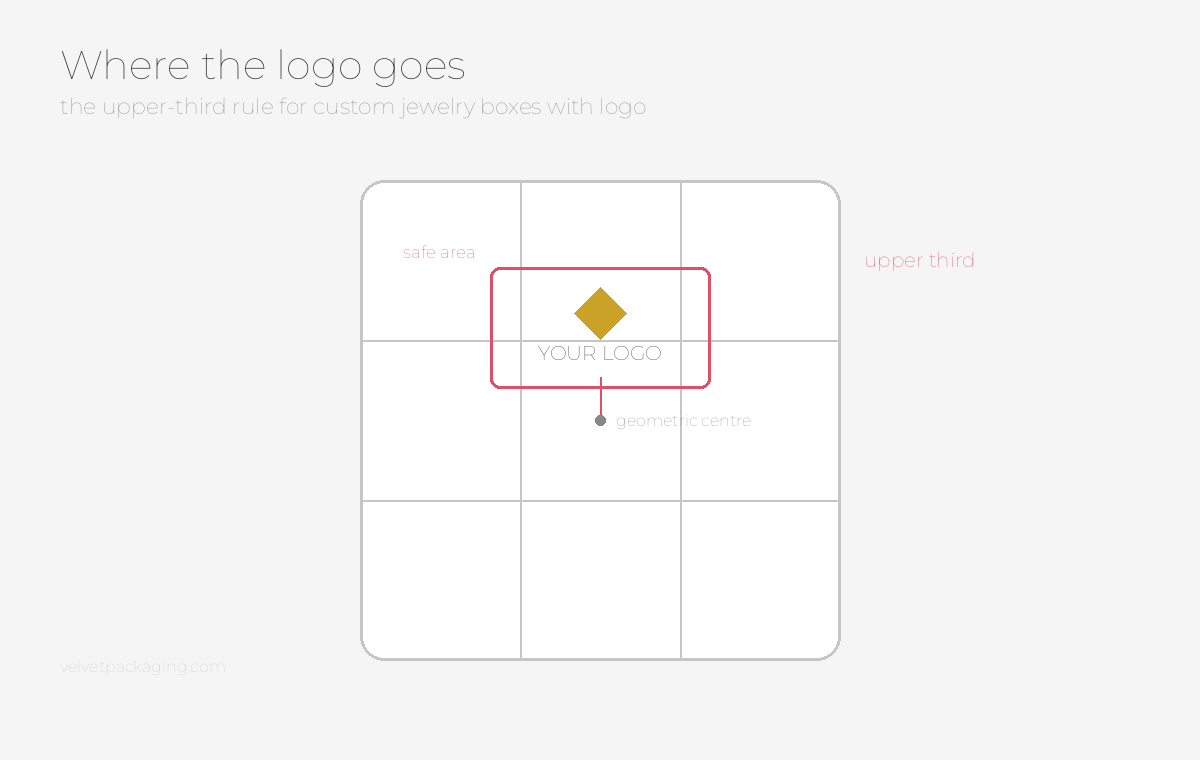
Most boxes fail here, not on the finish. The steady look of luxury brands is not luck — it is clear hierarchy, clean whitespace and a comfortable centre of gravity. A crisp foil logo dropped dead-centre still looks flat if the placement is off. Use a simple three-step ruler method:
- Set the opening direction and hero face — decide how the box opens and which face is the “front” before you place anything.
- Divide the face into thirds (top / middle / bottom), or drop a rule-of-thirds grid over it.
- Place the logo in the upper-third zone and leave a clear safe area around it — that breathing room is deliberate design, not wasted space.
Then do one optical adjustment by eye. The spot that feels right is usually the optical centre, which sits slightly above the geometric centre — put the mark dead-centre and it often reads as sitting low. Nudge it up until it looks settled.
How to brief your logo so it actually delivers
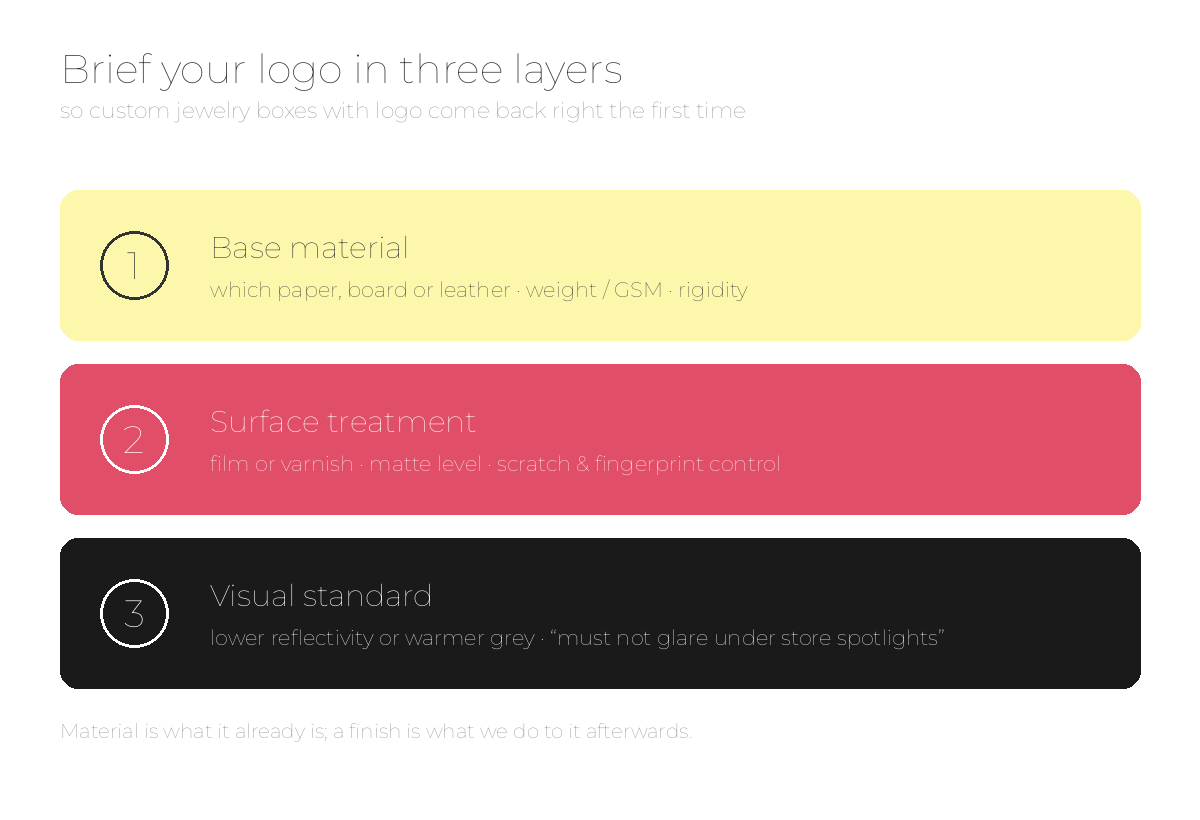
The fastest way to get three mismatched samples is to send one vague word. Most buyers describe a finish as if it were a material, and the supplier is left guessing. The rule: material is what it already is; a finish is what we do to it afterwards. Mix the two in one line and the factory can only guess.
Take “matte.” Matte can be a matte lamination, a soft-touch film, or a matte varnish — all called matte, but different in feel, scratch resistance, fingerprint retention and reflectivity. It photographs the same and gives itself away in the hand. Write your logo and finish spec in three layers instead:
- Base material: which paper, board, leather or fabric, what weight/GSM, and the rigidity you need.
- Surface treatment: film or varnish, roughly what matte level, whether you need scratch resistance and fingerprint control — this sets the whole tone.
- Visual standard: lower reflectivity or a warmer grey, and, best of all, a checkable condition — “must not glare under store spotlights” tells a supplier far more than “premium.” Write “premium matte” and you are asking a supplier to deliver on luck.
Send a Pantone reference for colour, and the same brief will come back consistent from any factory.
MOQ, cost and sampling
Three practical numbers before a bulk run. On custom jewelry boxes with logo, most factory-direct orders start at an MOQ of 300-500 pcs, mass production runs about 15-25 days, and a pre-production sample takes 7-10 days. Foil and debossing are the most cost-effective at volume; metal plate, etching and engraving sit at the top; TPU is mid with colour freedom. For lower price points, browse our value jewelry boxes. Always approve a physical sample — not just a digital mockup — so you check the finish in the hand before committing.
Choosing the method, placing it well and speccing it clearly is what lifts custom jewelry boxes with logo from generic to on-brand. Match the finish to your material and your margin, get the placement right, then request a free sample before the run.
Foil and Embossed Bracelet Packaging
The same logo methods carry straight over to bracelet packaging. The long lid of a bangle or cuff box gives a foil logo room to sit cleanly, and its wide flat face suits an embossed logo or debossed mark that reads premium with nothing on the surface to rub off. Foil stamping keeps a bracelet box at a light-luxury look for low cost, while embossing or a metal plate lifts a signature or heirloom line. For a consistent brand across a collection, run the same custom jewelry packaging finish over your bracelet boxes, ring boxes and gift sets — bracelet boxes take foil and embossing well in velvet and PU leather.
FAQs
How do I put my logo on custom jewelry boxes?
There are six main methods: hot foil stamping, debossing, a metal logo plate, metal etching, metal engraving and the newer TPU process. Foil and debossing are the versatile, low-cost all-rounders; metal plate, etching and engraving are premium; TPU adds colour and 3D feel on PU leather.
What is the MOQ for custom jewelry boxes with logo?
Most factory-direct orders start at 300-500 pieces. Mass production is about 15-25 days and a pre-production sample takes 7-10 days. Some stock styles allow lower minimums.
Which logo method is cheapest?
Hot foil stamping and debossing are the most cost-effective, especially at volume. Metal plates, etching and engraving cost more because they add a part or a premium process.
Where should the logo go on a jewelry box?
Place it in the upper third of the hero face and leave a clear safe area around it. The optical centre sits slightly above the geometric centre, so a dead-centre logo often reads as low.
What logo method works on velvet or suede boxes?
Hot foil stamping is the standard for velvet and microfiber suede – a clean metallic mark without a separate part, and the soft pile takes foil well. A metal plate also works where the box is firm enough to mount one.
Can I match my brand colour?
Foil comes in metallic and selected colour foils, TPU can be made in any colour, and metal plates can be plated gold, silver or rose. Send a Pantone reference for an accurate match.