

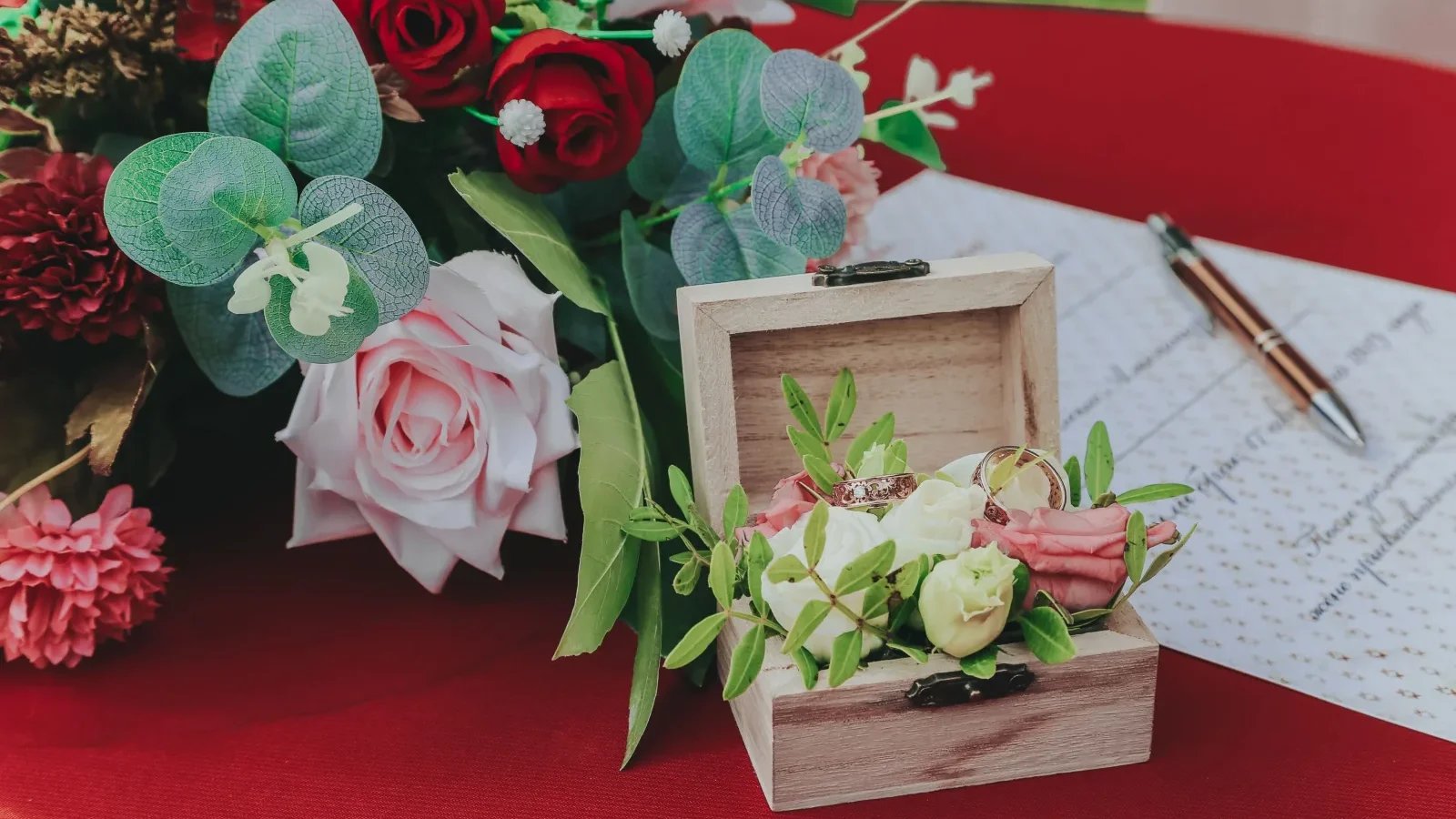
Solid wood is usually the best choice for a premium keepsake box, bamboo suits brands that want a lighter natural look, and MDF with veneer or paint is the most practical option for consistent large-volume production. The right material for a wooden jewelry box depends on your target price, finish, logo method, order quantity and how the box will be used.
This guide compares the three main wooden jewelry box materials used in wholesale packaging. It also explains surface finishes, velvet and microfiber linings, custom logo options, MOQ and lead time so jewelry brands can prepare a clearer purchasing specification.
Buyers who already know their preferred material can view our wooden jewelry boxes wholesale collection for custom ring boxes, presentation boxes and keepsake packaging.
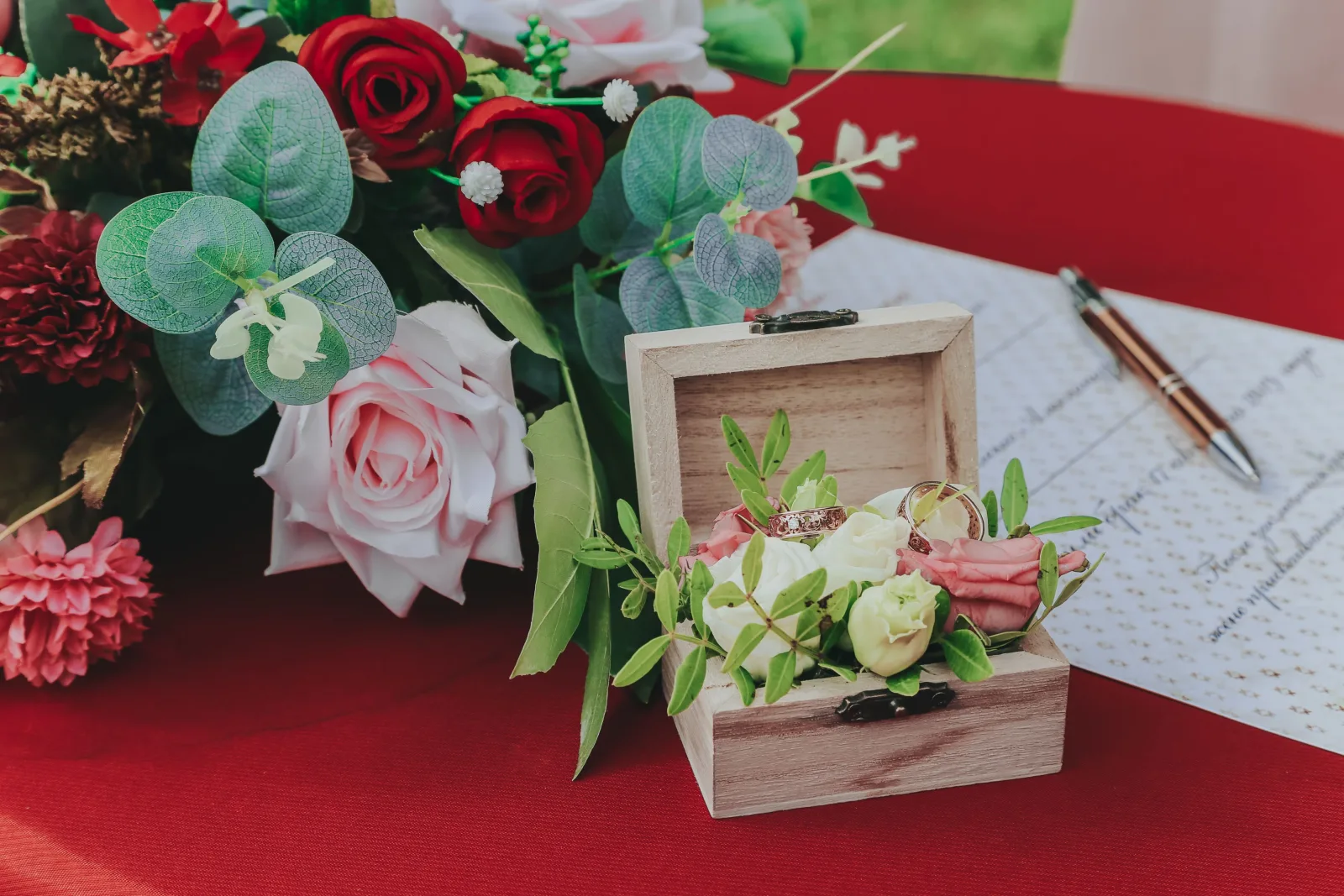
Solid Wood vs Bamboo vs MDF: Quick Comparison
| Material | Appearance | Cost Level | Consistency | Best Logo Methods | Best For |
|---|---|---|---|---|---|
| Solid wood | Natural grain with visible variation | Higher | Moderate because every piece of wood is different | Laser engraving, debossing, metal plaque and selected printing | Luxury rings, watches, limited editions and keepsake packaging |
| Bamboo | Light, linear grain with a clean natural style | Medium | Good when laminated panels and color standards are controlled | Laser engraving, screen printing and UV printing | Modern natural collections, gifting and lightweight presentation boxes |
| MDF with veneer or paint | Uniform painted color or controlled wood-grain surface | Low to medium | High for shape, color and repeat production | Foil stamping, screen printing, UV printing, plaque and some engraving | Retail programs, coordinated collections and larger wholesale orders |
No material is automatically best for every project. A solid wood box can communicate craftsmanship, but its natural grain varies. MDF can deliver a more consistent painted finish, but it should not be described to customers as solid wood. Bamboo has a distinctive grain and useful strength-to-weight balance, although it is technically a grass that is laminated into stable panels for packaging production.
Solid Wood Jewelry Boxes
A solid wood jewelry box is made from natural timber rather than a fiberboard core. Depending on the species and finish, it can show warm grain, knots and color variation. Those differences are part of the material’s character and should be accepted in the approved sample standard.
Advantages of Solid Wood
- Premium weight and tactile quality.
- Natural grain makes each box slightly individual.
- Laser engraving can create a durable recessed logo.
- Suitable for keepsake boxes that customers may retain for years.
- Can be paired with quality hinges, magnetic closures and fitted inserts.
Points Buyers Should Check
Wood species, moisture control, grain direction, stain color and surface coating all affect the finished appearance. Ask the supplier whether the sample shows the final production wood and finish. A digital color reference alone cannot accurately show grain density or how a stain reacts across different pieces.
Solid wood is usually more expensive and heavier than bamboo or MDF. It may also require wider tolerances for grain and color variation. For a collection that demands perfectly identical surfaces, a painted MDF structure may be easier to standardize.
Bamboo Jewelry Boxes
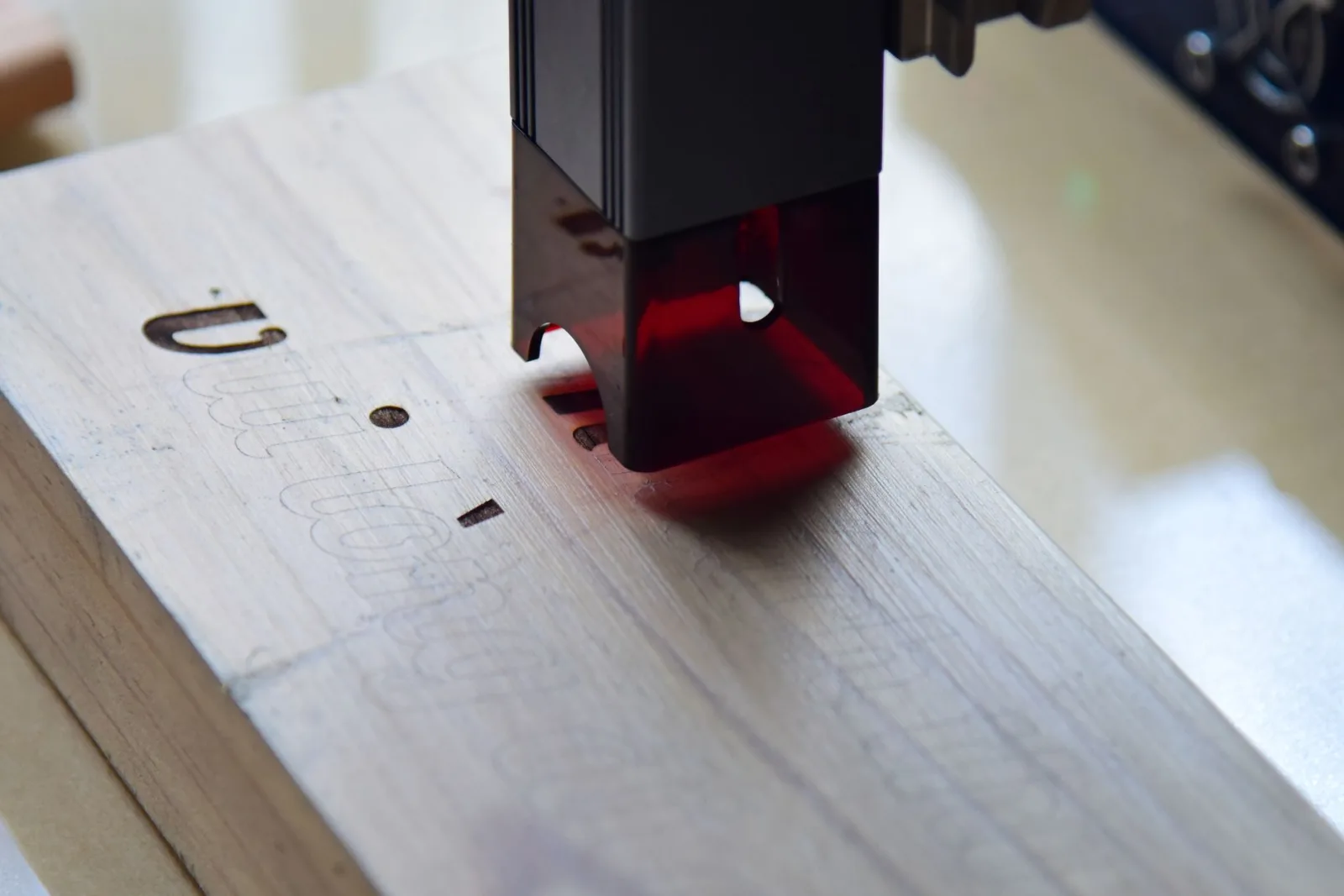
Bamboo packaging panels are generally made by laminating processed bamboo strips. The result has a recognizable linear grain and a clean, contemporary appearance. Bamboo is often selected when a brand wants a natural visual direction without the heavier look of dark hardwood.
Advantages of Bamboo
- Lighter visual style with a distinctive natural grain.
- Good rigidity relative to its weight.
- Works well with laser-engraved logos and simple printed artwork.
- Suitable for compact ring, pendant and gift boxes.
Points Buyers Should Check
Do not rely on the word “bamboo” alone as an environmental claim. Buyers should ask what part of the box is bamboo, what coating and adhesive are used, how the product is packed and whether the supplier can provide any requested material documentation. A responsible sustainability statement should be specific and verifiable.
Bamboo grain and color can still vary. A clear sample approval should define the acceptable tone, logo contrast, surface smoothness and corner workmanship.
MDF Jewelry Boxes with Veneer or Paint
MDF is an engineered wood fiber panel that provides a flat, stable base for wrapping, veneer, lacquer or paint. It is widely used for structured jewelry packaging because it can be cut accurately and finished consistently across a larger production run.
Advantages of MDF
- Stable dimensions and smooth surfaces.
- Consistent painted colors for coordinated retail collections.
- Supports wood veneer, specialty paper and other decorative finishes.
- Usually offers better cost control for larger orders.
- Suitable for multiple box sizes that need a matching appearance.
Points Buyers Should Check
The exterior finish matters as much as the core. Ask whether the surface is real wood veneer, printed wood-grain paper, PU wrapping or paint. These options differ in texture, durability and price. The quotation and approved artwork should use the exact material name so two suppliers are not compared on different constructions.
MDF also needs appropriate edge sealing and moisture protection. Inspect corners, hinge fixing, lid alignment and odor during sampling. If compliance documentation is required for a particular market or retailer, state that requirement before quotation because testing can affect material selection, cost and schedule.
Which Wooden Jewelry Box Material Should You Choose?
Use the following purchasing rule as a starting point:
- Choose solid wood when natural character, weight and long-term keepsake value are more important than perfect surface uniformity.
- Choose bamboo when the collection needs a light natural appearance and a clean engraved logo.
- Choose MDF with veneer when you want a controlled wood look across several box sizes.
- Choose painted MDF when repeatable brand colors and cost control are the main priorities.
Expert Opinion from Velvet Packaging
For wholesale buyers, the best specification is not necessarily the most expensive material. It is the material that can be repeated reliably at the required quantity and price. Before approving a wooden box, we recommend checking the complete system: exterior panel, coating, hinge, closure, lining, insert and logo. A premium wood shell cannot compensate for a loose hinge, poor insert fit or inconsistent surface finish.
Velvet and Microfiber Linings for Wooden Boxes
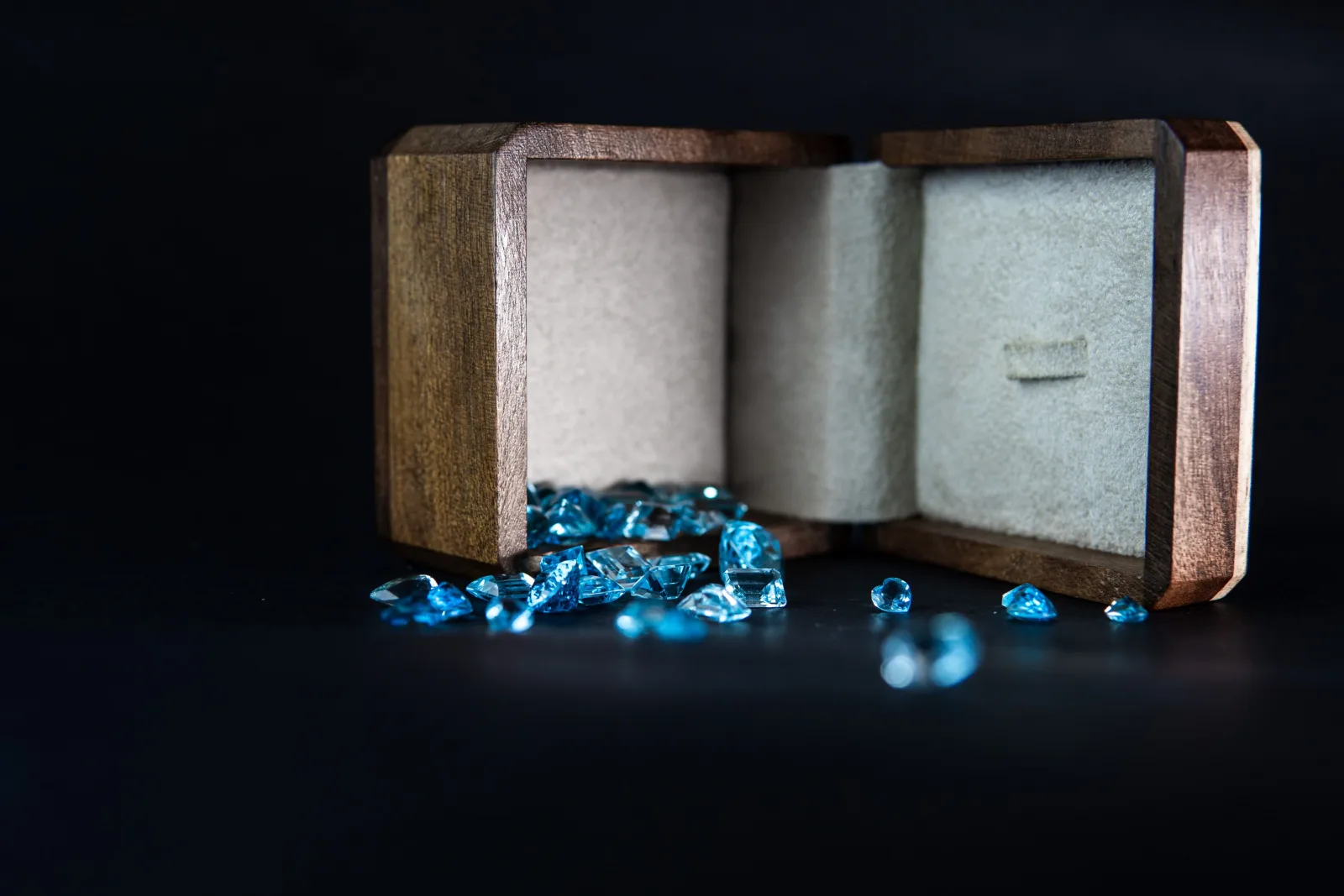
The interior lining protects the jewelry and changes how the product looks when the lid opens. Velvet creates a richer, softer presentation and is often used for engagement rings, heirloom pieces and ceremonial gifts. Microfiber has a fine suede-like surface with a cleaner, more contemporary appearance.
The lining color should be tested with the actual jewelry. Light jewelry can disappear against a pale insert, while polished metal may show fingerprints more clearly against a very dark surface. The insert must also hold the jewelry securely during shipping without placing excessive pressure on stones, chains or clasps.
For projects that use several packaging materials, review our comparison of velvet, leather and paper jewelry boxes.
Custom Logo Options for Wooden Jewelry Boxes
Logo choice depends on the surface finish and artwork complexity:
- Laser engraving: ideal for simple, single-color marks on solid wood or bamboo. The grain and wood tone affect contrast.
- Screen printing: useful for a clear single-color logo on painted or sealed surfaces.
- UV printing: supports detailed or multicolor artwork when the surface is suitable.
- Foil stamping: works best on a compatible wrapped or coated surface and should be sampled before approval.
- Metal plaque: adds a separate branded element but increases component and assembly requirements.
Velvet Packaging provides a logo placement mockup before sampling. The artwork should show the box dimensions, logo size, position, color and finishing method. For more detail, see our custom jewelry packaging logo techniques guide.
MOQ, Sampling and Lead Time
The typical MOQ for custom wooden jewelry boxes starts at 500 pieces per design and finish. The exact minimum depends on the structure, material, dimensions, hardware, lining, logo method and number of colors.
Samples normally take 10-15 days. Bulk production generally takes 20-35 working days after the sample and specifications are approved. Complex hardware, custom colors, mixed sizes or material testing can extend the schedule.
When requesting a quotation, provide the box style, outside dimensions, jewelry type, quantity, preferred material, lining, logo file and delivery country. These details make the price and lead-time comparison more reliable.
Wholesale Buyer Checklist
- Confirm whether the structure is solid wood, bamboo or MDF.
- Name the exact exterior finish: stain, paint, veneer, paper or PU wrapping.
- Approve a realistic range for natural grain and color variation.
- Check hinge strength, lid alignment, closure and corner workmanship.
- Test the velvet or microfiber insert with the real jewelry.
- Approve logo size, position, color and production method.
- Confirm MOQ for every design, size and finish.
- Record the approved sample, material code and color reference for reorders.
- Confirm carton packing, shipping method and required compliance documents.
Frequently Asked Questions
Is solid wood better than MDF for a jewelry box?
Solid wood is better when natural grain, premium weight and keepsake value are priorities. MDF is better when consistent dimensions, painted color and cost control across a larger order matter more. The better choice depends on the brand position and production requirements.
Is bamboo considered wood packaging?
Bamboo is botanically a grass, but laminated bamboo panels are commonly grouped with wooden packaging because of their rigid structure and natural grain. Product descriptions should identify bamboo accurately rather than calling it solid wood.
Can MDF jewelry boxes have a real wood appearance?
Yes. MDF can be covered with real wood veneer for a controlled grain appearance, or with printed wood-grain paper for a lower-cost decorative effect. The quotation should state which finish is being used.
What lining is best for a wooden jewelry box?
Velvet is suitable for a rich traditional presentation, while microfiber provides a fine matte, suede-like finish. The correct lining also depends on the jewelry shape, insert construction and required color contrast.
Can a logo be laser engraved on every wooden box?
Laser engraving works well on many solid wood and bamboo surfaces, but the result varies with grain, coating and wood tone. Painted, wrapped or heavily coated MDF may require screen printing, UV printing, foil stamping or a plaque instead.
What is the MOQ for custom wooden jewelry boxes?
The typical MOQ starts at 500 pieces per design and finish. Custom dimensions, hardware, colors and mixed-size programs may change the minimum quantity.
How long do wooden jewelry box samples and bulk production take?
Samples normally take 10-15 days. Bulk production generally takes 20-35 working days after sample approval, depending on the finish, engraving, hardware and order complexity.
Request a Wooden Jewelry Box Quote
Send your reference images, box dimensions, jewelry type, quantity, preferred material, lining and logo file. Velvet Packaging can recommend a suitable solid wood, bamboo or MDF construction and prepare a logo mockup before sampling.